
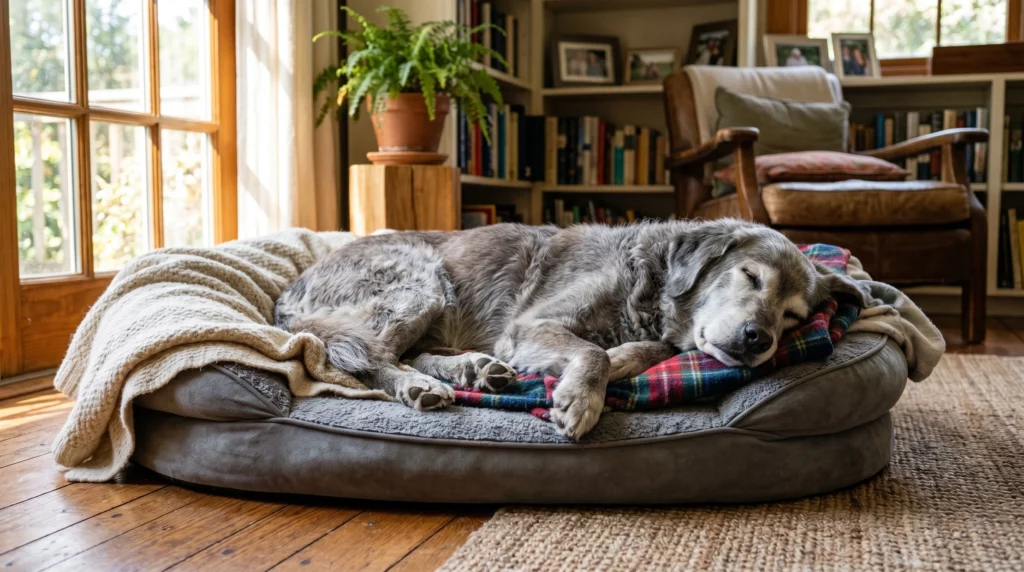
Senior dogs have a special place in my heart. They move a little slower, sleep a little longer, and show their affection in the sweetest ways. As dogs grow older, their bodies change, and their day to day comfort becomes even more important, especially at bedtime. I often get questions about what’s best for helping older dogs sleep well. After plenty of my own experience with aging pups, one thing stands out: an orthopedic bed is a game changer for seniors who need extra support.
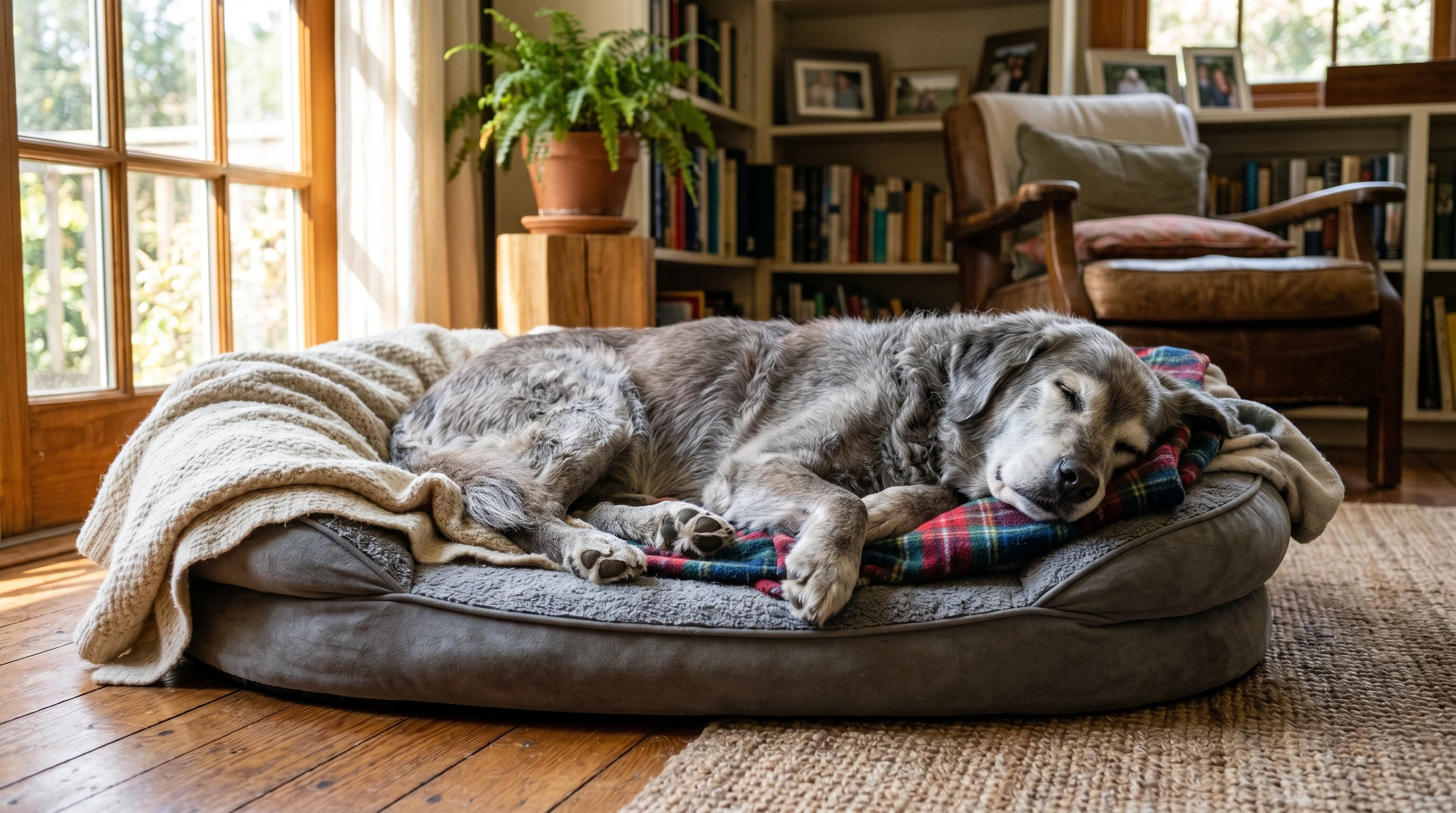
Understanding the Unique Sleep Needs of Senior Dogs
Most dogs love a good nap, but senior dogs tend to spend more time snoozing as they get older. It’s not unusual for an older pup to need upwards of 16 to 18 hours of rest in a day. The quality of their sleep, though, is what really matters for how well they feel and move when they’re awake.
Aging brings changes like joint stiffness, arthritis, and muscle loss. These issues can make lying on hard floors or even regular stuffed beds uncomfortable, causing older dogs to wake up stiff, achy, or restless throughout the night. It’s pretty common to see senior dogs circling, shifting, or groaning, which are clear signs they just can’t get comfortable.
What Makes Orthopedic Dog Beds Different?
Not all dog beds are made the same, and I’ve seen firsthand how much of a difference an orthopedic dog bed makes for an older dog. The term “orthopedic” usually means the bed includes special materials, like memory foam, that help support a dog’s weight evenly and cushion sore spots.
In comparison to basic beds with polyester stuffing, orthopedic beds feel denser and provide better support by molding to your dog’s body. This reduces pressure on the hips, elbows, and spine, areas where seniors usually feel the most discomfort. Some orthopedic beds even include features like waterproof liners or nonslip bottoms, which are super useful if your dog deals with incontinence or has trouble standing.
Benefits of Orthopedic Beds for Senior Dogs
- Joint Support: The thick, supportive foam in orthopedic beds eases a lot of pressure from joints affected by arthritis or hip dysplasia.
- Improved Sleep Quality: With more even weight distribution and fewer pressure points, senior dogs can fall (and stay) asleep easier. I’ve noticed my own seniors move less at night and wake up more rested with a quality bed underneath them.
- Pain Relief: Dogs with chronic conditions like osteoarthritis benefit from the extra cushioning, often showing less limping and joint stiffness during the day.
- Stability and Safety: Well made orthopedic beds are lower to the ground and nonslip, making it easier and safer for senior dogs with reduced mobility to get on and off their bed.
- Temperature Control: Some beds include cooling gel inserts or moisture wicking materials, helping older dogs stay comfortable if they run hot or cold.
Features to Look for in an Orthopedic Dog Bed for Seniors
After trying a range of beds with my own dogs, here are the key features I always look for:
- High Quality Foam: Look for thick memory foam or similar materials. Egg crate foam is pretty good, but it’s not as dense or durable as solid memory foam.
- Easy to Clean Covers: Seniors can be messy, so a removable cover that’s machine washable is super important.
- Waterproof or Water Resistant Liners: Accidents happen, and a good liner keeps the foam from getting ruined.
- Low Entry Point: Raised beds or beds with thick bolsters can be hard for dogs with stiff joints to climb over. Beds closer to the ground or with sloped edges are much easier for seniors to access.
- Nonslip Bottom: Slippery floors and wobbly beds are a bad combo. Choose a bed with a rubberized bottom to help your dog feel secure getting in and out.
Common Sleep Problems in Senior Dogs
It’s common for older dogs to have trouble getting comfortable due to:
- Arthritis or hip dysplasia that makes it painful to lie on hard surfaces
- Muscle atrophy that makes them sensitive to pressure
- Restlessness or pacing due to discomfort at night
- Daytime sleepiness from poor sleep quality
I’ve noticed that giving my senior dogs a supportive sleeping surface really helps reduce these problems. They seem more eager to go to bed, and they settle down faster compared to when they had a standard stuffed pet bed.
Other Tips for Helping Senior Dogs Sleep Better
- Pick a Quiet, Draft Free Spot: Place the bed away from busy doorways and cold windows. Seniors, like older people, feel temperature changes more easily and need a peaceful spot to rest.
- Keep Routines Consistent: Aim for regular bedtimes and wakeups to help your dog know when it’s time to wind down.
- Use Supportive Accessories: Add soft blankets for nesting or use ramp steps if your dog climbs onto your own bed or sofa nearby.
- Address Physical Health Concerns: If your senior dog is still waking up stiff or sore, talk to your vet. They may need extra pain relief, joint supplements, or a different style of orthopedic bed tailored to severe issues.
How to Transition Your Senior Dog to a New Orthopedic Bed
Some dogs are set in their ways and might be uncertain about a new bed at first. When I introduce a new orthopedic bed, I make it smell familiar by putting a used blanket or one of my old T shirts on it, anything my dog already loves. I also place the bed where my dog already likes to nap. Treats or favorite toys can make it more appealing, and most dogs warm up to their new spot in a few days.
Frequently Asked Questions
Question: How do I know if my senior dog needs an orthopedic bed?
Answer: Signs like stiff walking, trouble getting up, groaning when lying down, and sleeping less soundly are common clues. If your dog seems uncomfortable or chooses to sleep on the floor instead of their current bed, it’s probably time for an upgrade.
Question: Are orthopedic dog beds worth the price?
Answer: Quality orthopedic beds can be pricier, but the comfort and long term benefits for your dog’s health add real value. Investing in your senior’s comfort usually pays off with better sleep and less pain in their later years.
Question: Do all orthopedic dog beds offer the same level of support?
Answer: There’s a big range in quality. Some cheap beds call themselves “orthopedic” but use basic foam that flattens quickly. Look for solid, thick foam and easy to clean features for the best results.
Real Life Advantages: Happy Seniors and Happy Owners
I’ve seen senior rescue dogs go from restless nights to peaceful sleep after switching to orthopedic beds. A few friends have even noticed their older dogs being more playful and energetic during the day, which happens because they’re waking up less sore. These beds aren’t just about pampering; they really do make daily life more enjoyable for both dogs and their families. And honestly, seeing your best friend get up easily and wag their tail in the morning makes the investment worth it. If your dog gets a good night’s rest, everyone’s day starts better.
Is an Orthopedic Bed Right for Your Senior Dog?
If your older dog is slowing down, showing signs of joint pain, or just having a harder time settling in at night, an orthopedic dog bed could seriously improve their comfort and overall quality of life. Taking the time to research helps buyers make informed decisions based on their dog’s unique needs. Reading reviews and checking in with vets for brand recommendations can help you pick the right fit for your pup’s needs and your budget.
Giving senior dogs the support they deserve isn’t complicated. It’s just about making thoughtful choices that help them stay happy and pain free through their golden years. An orthopedic bed is one of the best upgrades for comfort you can give your aging buddy. Sweet dreams to your senior pup!