
Senior dogs have a way of stealing your heart, and it’s only natural to want them as comfortable as possible during their golden years. Joint pain, arthritis, and general aches can make simple things like sleeping or resting tougher for older pups. That’s where orthopedic beds come in. These beds offer extra comfort and help support tired, sensitive bodies. I’m breaking down how you can spot the signs that your senior dog might need an upgrade to an orthopedic bed, plus some practical tips for making their days (and nights) a whole lot better.
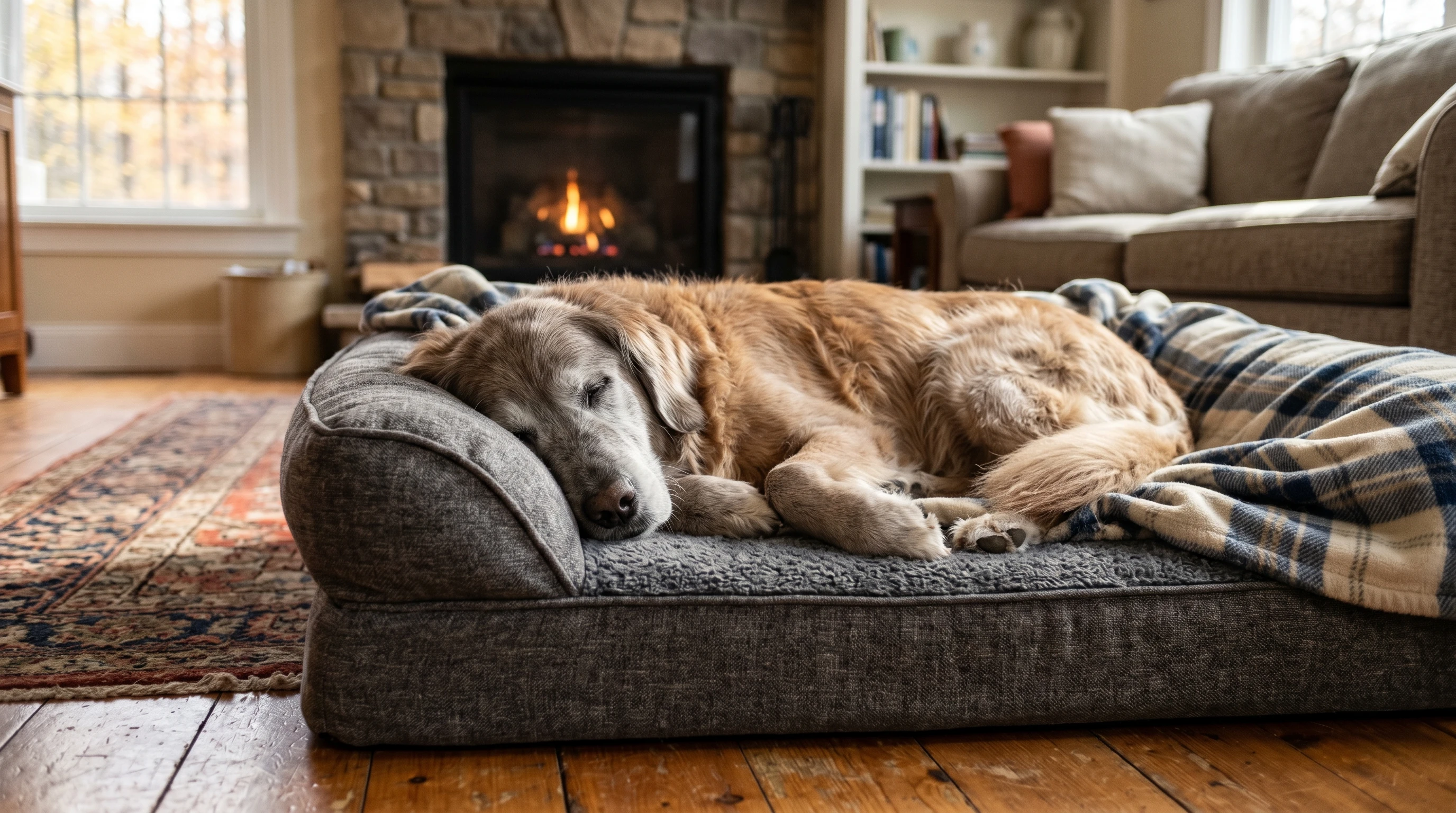
Why Orthopedic Beds Matter for Senior Dogs
As dogs get older, their joints and muscles don’t work quite like they used to. Regular beds might be okay for younger pups, but most senior dogs benefit from extra support for their aging bodies. Orthopedic beds are designed to cushion pressure points, ease joint pain, and support proper alignment while they rest. I’ve noticed with my own senior dog that switching to a supportive bed made a pretty big difference. Not just in sleep, but in mood and movement too.
Arthritis is super common as dogs age, with over 80% of older canines developing some form of joint degeneration (VCA Hospitals). These aches can make sleeping on the floor or a thin bed uncomfortable, leading to restless sleep and stiffer mornings. A comfortable, supportive surface helps promote deeper rest and can make your dog’s movements easier when they get up.
So, let’s run through the most common signs to watch for. If you’re noticing any of these, it’s worth checking out orthopedic beds designed just for dogs.
Key Signs Your Senior Dog Could Use an Orthopedic Bed
Older dogs have a way of showing us when they’re uncomfortable, even if it’s subtle at first. Paying attention to their behavior and habits can tell you when they’re ready for a bit more support. Here are some common things I’ve seen, both with my own pets and those I’ve cared for:
- Difficulty Getting Up or Lying Down: Senior dogs who hesitate before lying down, need help to get up, or seem to “flop” instead of settling smoothly could use extra support. A firmer, orthopedic bed can take the strain off those aging joints.
- Stiffness or Limping: If you notice your dog limping, walking stiffly in the mornings, or avoiding certain movements, joint pain or arthritis might be bothering them. A supportive surface helps reduce pressure on knees, elbows, and hips.
- Restless Sleep: Tossing and turning, getting up frequently, or not being able to get comfortable are big clues. Senior dogs need more rest, but pain or discomfort from a lumpy nest means they’re not getting it.
- Sleeping on Hard Surfaces: Some older dogs will leave their favorite soft beds entirely in favor of lying on cool tile or hardwood. This could mean the regular bed isn’t giving them enough support or is worn out.
- Licking or Chewing Joints: Constantly licking at their legs or joints is often a sign of pain. While arthritis is common, proper cushioning can help ease those aches so they aren’t as focused on licking to self-soothe.
- Reduced Mobility After Rest: If your pup is slower to move around or seems extra stiff after waking up, a thin or unsupportive bed may be making things worse.
- Weight Changes or Pressure Sores: Elderly dogs who lose or gain weight can develop pressure sores on hips or elbows, especially if their bed isn’t thick or supportive enough. I’ve seen this a few times, and a good bed can prevent a lot of that discomfort.
Choosing the Right Orthopedic Bed for Your Senior Dog
The pet bed market can be a lot to get into, especially with brands marketing everything as “luxury” or “supportive.” What matters most is real support, long lasting comfort, and a design that’s easy to use for your particular pup. These are the features I look for and recommend to other pet parents:
- Memory Foam or High Density Foam: A true orthopedic bed uses thick memory foam or medical grade foam. This stuff absorbs weight and prevents dogs from sinking to the bottom. Avoid beds that “look” thick but squish flat under your dog’s weight; I’ve tested it myself and it’s a letdown every time.
- Easy Entry: Senior dogs, especially with arthritis or short legs, do better with beds that have low sides or a step in area. Lofty or high beds can be tough to climb into.
- Washable Covers: Incontinence or accidents can happen more often with older pups. Removable, machine washable covers save a ton of time and hassle. Waterproof linings are a bonus.
- Non Skid Bottom: Beds that slip around can be a fall risk. Look for something that stays put even on hardwood or tile floors.
- Maintains Shape: Cheaper foam flattens out quickly under the weight of a large dog. It’s worth reading reviews and checking return policies to ensure the bed holds up over time.
With my own dog, choosing a thick memory foam bed with sturdy support really helped. He wasn’t as grumpy in the morning and had fewer “bad” days where he just didn’t want to move much.
What to Expect When You Upgrade
Switching to an orthopedic bed isn’t a magic fix, but often you’ll notice changes in your dog’s comfort and attitude in just a few weeks. I’ve seen dogs go from pacing at night to sleeping soundly, or from avoiding beds altogether to happily snoozing away. Here are some things you might spot:
- More restful, longer sleep sessions without all the repositioning.
- Less stiffness and limping after naps or nighttime sleep.
- More time spent in their bed; a sign they’re comfortable where they are.
- Brightened mood and increased interest in gentle play or short walks, since rest helps everything feel a bit better.
Common Misconceptions and Mistakes
It’s easy to assume that any bed will do, or to opt for an oversized “pillow” thinking it’s more comfortable. I’ve had a few hits and misses myself. Here are some of the most common mistakes to avoid:
- Fluffy but Flat Beds: Soft beds without substance won’t support joints and can make pain worse. Always check the type of stuffing or foam.
- Wrong Size: Beds should be big enough for your dog to stretch out, but not so large that they can’t get cozy.
- Ignoring Washability: Senior dogs have more accidents, so easy to clean covers really matter. Avoid beds that are spot clean only or hard to unzip.
- High Step In Height: Bumper beds or those with tall sides can keep stiff joints from settling in easily. Go for ones with a lower entry point or at least one open edge.
I’ve found the best approach is to check product reviews, especially from owners of similarsized elderly dogs. When in doubt, ask your vet for suggestions if joint pain is severe.
Real World Examples: Signs in Action
A friend’s lab mix started sleeping on the tile even in winter, which seemed odd until we realized her traditional bed was flattening out and offered no support. After upgrading to a quality orthopedic bed, the dog stopped avoiding her bed and even started sleeping in longer stretches. Another common story involves smaller breeds who limp after rest or wake up licking their joints. Many times a supportive upgrade really helps manage arthritis flares.
Seeing these patterns in your own dog can be a strong cue to try an orthopedic bed and monitor the difference. Many pet parents report real changes in mobility and attitude within a month of switching.
Frequently Asked Questions
Here are some common questions folks have about orthopedic beds for senior dogs:
Question: How do I know if it’s really time for an orthopedic bed?
Answer: Signs like limping, restless sleep, or avoiding their usual bed often mean they aren’t comfortable. If your vet has diagnosed arthritis or joint issues, upgrading their sleeping surface is a good move.
Question: Are orthopedic beds only for huge or heavy dogs?
Answer: Nope! Small breeds can have joint or back pain too, especially as they age. Any older dog showing discomfort can benefit from extra support, regardless of size.
Question: Do orthopedic beds really make a difference for pain?
Answer: They don’t cure arthritis, but reducing pressure on joints can definitely help improve comfort, sleep quality, and sometimes mobility.
Question: How do I get my senior dog to use a new bed?
Answer: Place it in their favorite resting spot and use treats or toys to make it inviting. Most dogs figure it out once they realize it’s a comfy place to rest.
Supporting Your Senior Dog’s Comfort and Health
Paying attention to small changes in your dog’s habits or mobility goes a long way. I’ve seen first hand how addressing these issues early keeps our senior pups happier at home. Orthopedic beds are a practical solution for a lot of older dogs, providing better sleep, less pain, and more good days together. Keeping your furry friend supported and cozy is one of the best things you can do as they reach their later years. Taking care of these details not only improves their quality of life but also lets you spend more meaningful, comfortable moments with your loyal companion.