
Choosing a GPS tracker for an older dog can give you peace of mind and help keep your furry friend safe as they age. Senior dogs sometimes get confused, wander further than they should, or react unpredictably due to hearing or vision decline. I’ve found that the right GPS tracker can fix a lot of those worries, offering a clear way to keep tabs on your dog in real time. Here, I’m breaking down the key things to look for, a handful of tracker models that work particularly well for senior dogs, and some tips from my own experience to help you make the right choice.
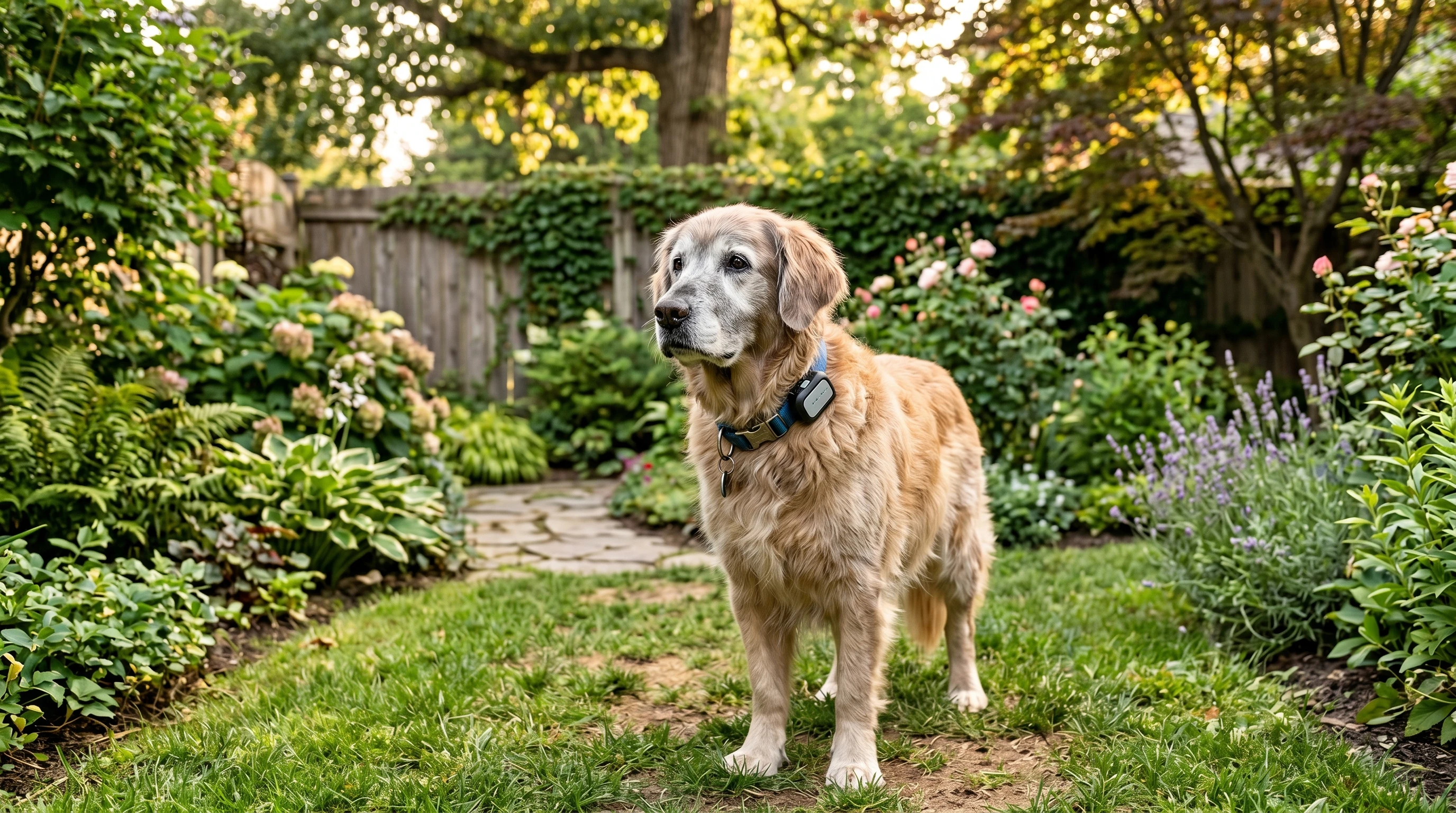
Why GPS Trackers Matter for Senior Dogs
Just like people, older dogs can start to lose their sense of direction or become less alert as they age. My own senior beagle used to wander off if the gate was even slightly ajar. Losing an older dog is stressful and, sadly, senior dogs are often less likely to find their way home on their own. A GPS tracker helps lower that risk by providing you with your dog’s location in real time, so you’re not left guessing if your dog slips away or doesn’t respond when you call.
Seniors with conditions like dementia or reduced mobility are even more at risk. Some trackers also come with features that help you spot changes in your dog’s activity levels or alert you if your dog leaves a predefined safe zone. Having that info is really important for keeping older pets comfortable and safe at home. In fact, a GPS tracker can allow you to check in on your dog’s activity throughout the day, giving you more freedom and allowing your older dog a bit more independence while you keep an eye on them remotely.
Main Features to Consider: Picking the Right Tracker
I’ve tested quite a few trackers with my own pets, and for senior dogs, there are some features that can make a device stand out:
- Real-Time Location Updates: Getting your dog’s location updated every few seconds is super handy, especially if your dog is on the move.
- Easy to Attach Design: Smaller, lighter trackers that fit neatly onto a collar are less likely to bother older dogs who may be sensitive to new gear.
- Safe Zone Alerts: Many trackers have “geofencing.” If your dog leaves a set area, you’ll immediately get a notification on your phone.
- Long Battery Life: No one wants to charge a device every day. Look for trackers that can last a week or more on a single charge, especially if your dog isn’t very active.
- Health and Activity Tracking: Some trackers monitor your dog’s movement and even sleep. That’s really useful for spotting early health issues in older pets, and gives peace of mind if you are away at work during the day.
Best GPS Trackers for Senior Dogs in 2024
Here are some trackers I’ve personally tried or researched that work particularly well for elderly dogs:
- Whistle GO Explore: Lightweight and waterproof, this tracker is easy for older dogs to wear all day. The battery lasts close to 20 days, and it offers activity and health monitoring. I like the bright light feature; it helps spot a dog in the dark.
- Tractive GPS Dog LTE: Tractive’s app is easy to use, which is great when quick action is needed. It offers unlimited range in the US, real-time location, and affordable monthly plans. The tracker is small, so most seniors barely notice it on their collar.
- Fi Smart Dog Collar Series 3: Great for people who want a sleek option that blends in with the collar. It tracks steps, tracks walks, and lasts more than a month on one battery charge. Fi also sends escape alerts when your dog leaves its safe zone.
- Apple AirTag: While technically not a pet tracker, AirTags are affordable, really small, and super simple to use with an iPhone. They don’t provide real-time movement the way some GPS trackers do, but for quiet homebodies who don’t roam far, they offer decent backup peace of mind.
Each of these has its pros and cons. For frail or anxious dogs, smaller and lighter models are usually best. Dogs who are more mobile or in larger yards might benefit from a tracker with a wider range and stronger waterproofing. Whichever model you choose, it is wise to read a user review or two to check if the features are working as claimed, especially with senior dogs in mind.
Getting Set Up: How to Use a GPS Tracker Safely
Most GPS trackers just snap right onto your dog’s collar, and the app setup takes just a few minutes. Make sure the device fits snugly but isn’t too tight. Older dogs can have thinner necks with looser skin, so a comfortable fit is important to avoid rubbing or irritation.
Place the base station or charger somewhere your dog likes to rest so keeping the device charged becomes part of your routine. I keep my beagle’s tracker next to his food bowl; I just pop it on charge when we’re not out and about. That way, you never risk running out of battery when you need it most.
Some trackers need a phone plan or WiFi connection. Double-check that coverage in your area is strong enough for your chosen device. Most companies provide a map or coverage checker on their website, which can save you from headaches later. It’s also smart to ask your veterinarian if your dog’s medical devices or special collars are compatible with a GPS tracker.
Things You’ll Need to Think About Before Buying
- Subscription Fees: Most GPS trackers need a monthly or yearly subscription to use the app and location services. Factor this into your budget.
- Battery Life: If your senior dog doesn’t go out much, a longer battery life is probably more important than real-time monitoring. For more adventurous pets, charging more often is worth the trade-off, especially if they spend more time outdoors or in a large yard.
- Waterproofing: Senior dogs with incontinence or those living in rainy climates need a waterproof tracker. This is also helpful if your dog likes to snooze outdoors.
- Weight: If your dog is on the smaller side or getting frail, lighter trackers work best. Some tracker models weigh less than an ounce, which makes a difference in comfort.
- Level of Tech Comfort: The simpler the app, the easier it’ll be for everyone in the household to use. For families with multiple caregivers, choose a tracker everyone can access by sharing the app login.
Subscription Fees
Nearly all GPS trackers work best with a paid subscription, which unlocks live location and activity monitoring. Most fees are reasonable (think $5-10 a month), but it helps to check the full price before you buy. Some brands offer a slight discount if you pay annually.
Comfort and Skin Sensitivity
Older dogs can be more prone to skin problems or sores. It’s worth checking the tracker’s collar attachment for rough edges. I like using a padded or breakaway collar to cut down on possible irritation. Take the tracker off for baths or extended naps so the area doesn’t get sore. Try to check for any chafing at least once a week, especially if your dog has very thin fur or sensitive skin.
Advanced Tips for Using GPS Trackers with Senior Dogs
Over time, you’ll find some tricks that make GPS trackers even more helpful. Here are a few things I’ve learned:
Link the Tracker with Daily Routines: For example, some trackers let you set medication reminders or keep an eye on your dog’s usual sleep and walk patterns. Changes in those habits can tip you off to new health concerns early on.
Share Access with Family: Most tracker apps let you add multiple users, so everyone at home stays in the loop. If your dog likes to escape when you’re not there, someone else will still get the location alert. This is a useful feature, especially if you travel and need a pet sitter to check in, too.
Test the Alert Range: Before trusting the tracker completely, test out the safe zone and notification settings somewhere safe, like a fenced yard or park, to see how fast (and how accurate) those alerts really are. It is a smart move to do a dry run before depending on the system fully.
Making these adjustments helps the tracker feel less like a gadget and more like a helping hand in your dog’s day-to-day care.
Real-Life Examples of Trackers Making a Difference
One friend of mine uses a Tractive GPS for her 13-year-old retriever mix who sometimes slips out the back gate. She gets an immediate phone ping if he leaves the yard, helping her react quickly and get her dog home safely. With my own dog, keeping track of his walks and naps through the Whistle app helped spot a health problem early; he slowed down more than normal one week, and it turned out he had a developing urinary tract infection. The tracker’s logs helped my vet decide on next steps faster.
These stories show how GPS trackers aren’t just about finding your dog; they also offer new ways to notice what’s normal and what’s out of the ordinary for your aging pet.
Frequently Asked Questions
How accurate are GPS trackers for senior dogs?
Answer: Most modern trackers are pretty precise, usually within a few feet. Urban or heavily wooded areas might see some signal challenges, but the major brands have solid accuracy for finding a lost dog quickly.
Can older dogs wear GPS trackers comfortably all day?
Answer: Yes, especially lightweight models. Always check your dog’s neck regularly for any signs of chafing or discomfort, and adjust the fit if needed.
What if my senior dog isn’t very active; do I really need a tracker?
Answer: Even calm or mostly indoor dogs can benefit from a tracker, especially if they have cognitive decline or your home has outdoor access points. The sooner you know your dog has exited a safe area, the quicker you can intervene.
Choosing the Right GPS Tracker for Your Senior Dog
Picking a tracker isn’t just about fancier technology. It’s about supporting your dog’s comfort and your own peace of mind as they move into their golden years. Take a little time to compare plans, try out a few easy options, and talk to your vet about what makes sense for your pet’s health and lifestyle. With the right tracker, you can focus on enjoying your time together, knowing you’ve got a backup plan just in case your dog decides to go on an unexpected adventure.