
Helping your senior dog stay comfortable is a top priority for pet owners, especially when joint pain or arthritis comes into play. I’ve watched my own older canine slow down, struggle to get cozy, and sometimes wake up stiff after a night on a regular dog bed. There’s a lot of talk about orthopedic dog beds as a solution. But do these beds actually make a difference compared to regular beds for older dogs? Here, I’ll walk through what I’ve learned, what vets often suggest, and some handy tips to help you make the best bed choice for your old buddy.
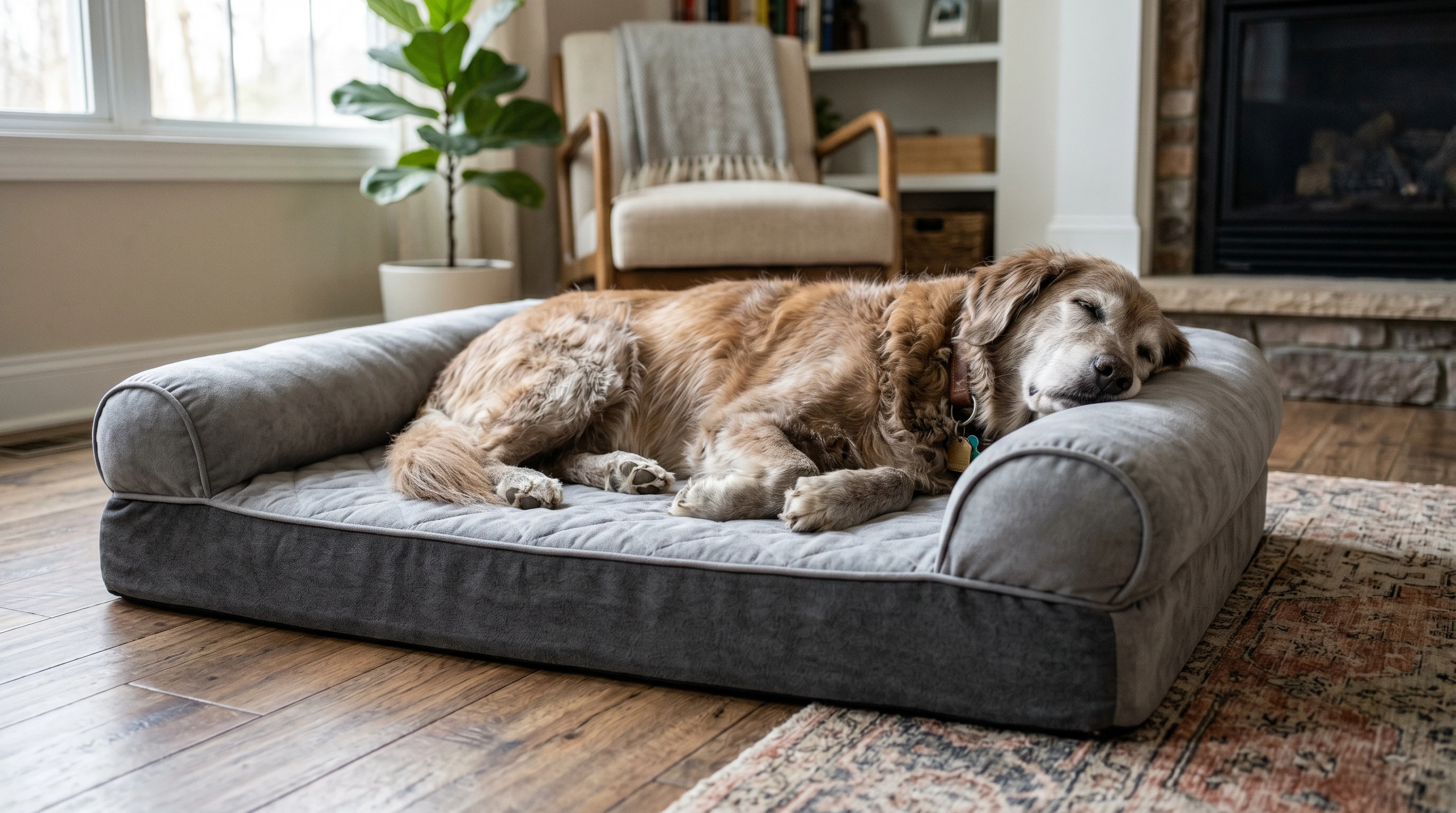
Why Bed Choice Matters For Older Dogs
Senior dogs go through a lot of changes that can make rest tougher for them. Aging joints, arthritis, and reduced muscle mass mean they can’t get comfy like they used to on just any old cushion. The right bed really plays a role in keeping these aches and pains in check. I’ve seen first hand how a good bed helps an old dog get up more easily and move around with less pain. This isn’t just about pampering, it’s about giving them the comfort they need for quality sleep and day-to-day energy. As your dog ages, their need for restful sleep increases, so a bed that supports these requirements matters more and more.
What Is An Orthopedic Dog Bed, Anyway?
Orthopedic dog beds are designed specifically with joint support in mind. The main thing that sets them apart from regular dog beds is the material inside. Most orthopedic beds use memory foam or high density foam that molds to your dog’s body, helping distribute weight and take pressure off sore spots. This kind of support is especially nice for dogs that have arthritis, hip dysplasia, or are just getting up there in years. The foam gently supports joints instead of letting them sink straight down to the floor.
Regular dog beds, by contrast, typically use polyester fill, cheaper foam, or even loose stuffing. While these beds can feel soft, they often compress quickly, especially under a heavier or older dog. Once the bed flattens out, it stops providing the support seniors really need, which can lead to aching muscles and unhappy mornings for your pup.
Key Health Benefits Of Orthopedic Beds For Older Dogs
- Joint Support: The firm yet gentle nature of memory foam keeps pressure off sensitive spots like hips, elbows, and shoulders. My own senior lab, Eddie, was able to get up more smoothly after switching to a proper orthopedic bed.
- Pain Relief: By lifting aching joints off the floor, an orthopedic bed can mean less discomfort for dogs who have arthritis or chronic pain. Dogs feel relief during the night and after naps, making them more eager to move around during the day.
- Better Sleep Quality: Good support reduces tossing and turning, so older dogs can get those deep rest cycles they need for healing and energy. A night of deep sleep helps with both physical recovery and mood, so you may notice your senior dog is more active and content.
- Helps Prevent Sores: Thicker foam keeps bony areas from rubbing against the ground, which is helpful for dogs that are thinner or have lost some muscle mass with age. This can even help prevent pressure sores, a common issue among senior dogs.
Comparing Orthopedic And Regular Dog Beds: What To Consider
It’s easy to look at price tags and think all dog beds do the same job, but there are some clear differences you should know. Here’s a rundown based on what matters most for aging dogs and their comfort in daily life.
- Support & Comfort: Orthopedic beds offer more support for tired joints. Regular beds can feel fluffy at first, but flatten out, leaving old bones pressing into the hard floor. For a dog who already has trouble getting up, this can make matters worse.
- Durability: High quality orthopedic beds hold their shape longer. Cheaper, regular beds might need replacing every year, sometimes sooner if your dog is heavy or tends to dig and nest. Investing in a good orthopedic bed might mean less hassle in the long run.
- Ease Of Cleaning: Many orthopedic beds come with removable, washable covers, pretty handy if your older dog is prone to accidents or drooling. Some basic beds don’t have this, so you might face stubborn smells or stains and struggle keeping things fresh.
- Cost: Orthopedic beds usually cost more upfront, but they often last longer and offer bigger health benefits. Regular beds are cheaper if your budget is tight, but you might spend more replacing them over time.
- Temperature Control: Some orthopedic beds use gelfoam layers to help keep your dog cool, which is helpful for breeds that get warm or have thick coats. Regular beds don’t usually offer anything special in this area so your dog might overheat more easily.
When To Choose An Orthopedic Bed
If your dog is limping, struggling to get up, or showing signs of joint pain, it’s time to make the switch. Canines of all sizes and breeds can benefit, but those with chronic conditions like arthritis or hip issues usually notice the biggest change for the better. I’ve noticed even healthy seniors act younger with a better bed, showing less stiffness in the morning, more willingness to nap in their own space, and often just a happier mood overall. The impact of a supportive, comfortable bed should not be underestimated when it comes to senior dog health.
Features To Look For In An Orthopedic Dog Bed
- True Memory Foam: Not all beds advertising “orthopedic” actually use solid, high quality foam. Look for thick slabs rather than cheap shredded foam—your dog will be much more comfortable.
- Nonslip Base: Senior dogs might have trouble with beds that slide around. A nonslip base keeps things in place, so your dog feels safer getting in and out.
- Low Entry Point: Older dogs don’t want to climb. Beds with a lower front or soft bolstered sides that don’t get in the way make things easier for them.
- Machine Washable Cover: Easy cleaning is a lifesaver for dealing with fur, smells, or “oopsies,” and helps the bed last longer.
- Waterproof Liner: If your senior has incontinence issues, a waterproof liner protects your investment and makes cleanup quick and stress free for you and your dog.
Possible Downsides Of Orthopedic Beds
Orthopedic beds are great, but they’re not perfect for every dog or home. Some dogs prefer fluffier beds, especially if they tend to get cold or like to dig before they settle down. And while orthopedic beds last longer, highquality foam can sometimes trap heat, which isn’t ideal for dogs that run warm. If that’s the case, look for beds with cooling gel or breathable covers to keep your pup comfy in all seasons.
The higher price tag can also make people pause. While you often get what you pay for, there are budgetfriendly options out there, just keep an eye out for true foam and solid construction over flashy extras. Remember that some extra up front can really pay off in day to day comfort and fewer bed changes down the road.
Real Life Examples: Which Dogs Benefit Most?
The biggest improvements I’ve seen are in large breeds—think labs, goldens, shepherds—who are more likely to have arthritis or hip problems. Small dogs with luxating patellas or back issues also feel better on orthopedic beds. Thinner or older dogs who’ve lost muscle love the added cushion. If your dog is recovering from surgery or an injury, orthopedic beds provide much needed relief so wounds or stitches aren’t under pressure all the time. Just about any dog that deals with discomfort, joint stiffness, or trouble moving can get a boost from these beds.
Frequently Asked Questions
Question: Will my dog actually use an orthopedic bed?
Answer: Most do, especially if you put it where they already like to rest or make it cozy with a familiar blanket. Give your pup a little time to adjust—most senior dogs settle in quickly when they feel the relief on their joints.
Question: How do I know my current dog bed isn’t enough?
Answer: Here are a few signs to watch for: If your dog wakes up stiff, avoids their bed, or prefers the couch (especially if it’s more supportive) that’s a red flag. A bed that’s compressed and doesn’t spring back is telling you it’s past its prime and your senior will benefit from something better.
Question: Are orthopedic beds waterproof?
Answer: Not all of them, but many of the best ones come with waterproof linings or covers. Always double check the product information if this feature matters a lot to you, especially if your dog has accidents or drools a lot.
Bottom Line: Is An Orthopedic Dog Bed Worth It For Older Dogs?
For many older dogs, switching to an orthopedic bed means less pain, better sleep, and more good days. The benefits are easy to spot whether your pup is dealing with arthritis or just getting stiffer with age, and the right bed can make a huge difference in their daily comfort. While regular beds are fine for healthy, younger dogs or as a short term solution, seniors with aches usually do better with the extra support. Watching my own old dog finally rest easy was proof enough for me. Doing a little research and choosing the right orthopedic bed can really bring a boost to your furry friend’s golden years. Your senior companion deserves a comfortable, supportive spot to rest, and with the right bed, you’ll both notice the improvement in their happiness and mobility.